If a pipe has burst in your Denver home, shut off your main water valve immediately, turn off electricity near any standing water, and call a licensed emergency plumber. Every minute of delay increases water damage, so act on the water shut-off first and worry about cleanup second.
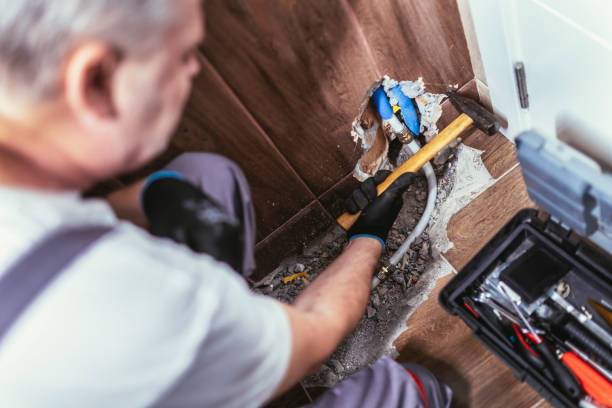
Here’s exactly what to do, in order.
Step 1: Shut Off the Main Water Supply
Find your home’s main shut-off valve — typically near the water meter, in the basement, crawl space, or utility closet — and turn it clockwise until it stops. This cuts water to the entire house and is the single most effective action you can take in the first minute.
If only one fixture is affected and it has its own shut-off valve, closing that valve alone may be enough. If you can’t locate the main valve or it won’t turn, stop trying and call an emergency plumber right away — don’t waste critical minutes searching.
Step 2: Turn Off Electricity Near Standing Water
Water and electricity are a serious combination. If water is pooling near outlets, appliances, or an electrical panel, do not walk through it or touch anything electrical.
If the panel is accessible without stepping into water, shut off the relevant circuit. If it isn’t safely accessible, leave the area alone and let a professional handle it.
Step 3: Drain the Remaining Water From Your Pipes
Once the main valve is off, open faucets and flush toilets to release pressure still sitting in the lines. This won’t stop the leak, but it reduces the volume of water still moving through your plumbing system.
Step 4: Protect Your Home and Belongings
Move furniture, electronics, and important documents away from the affected area. If water is coming through a ceiling, place a container underneath it — but stay clear of any ceiling section that looks saturated or is sagging, since it can collapse without warning.
Need the full breakdown of temporary containment tricks (towels, pipe clamps, rubber patches) while you wait? See our detailed guide: How to Fix a Burst Pipe Fast Before the Plumber Arrives.
Why Pipes Burst in Denver
| Cause | What’s Happening |
|---|---|
| Freezing temperatures | Water expands as it freezes, building pressure until the pipe splits |
| Corrosion | Older pipes weaken internally over years of mineral buildup and metal fatigue |
| High water pressure | Excess pressure stresses joints and connections until they fail |
| Aging plumbing | Old fittings and valves become brittle and prone to sudden failure |
| Physical impact | Construction, shifting foundations, or accidental damage can crack a line instantly |
Denver’s freeze-thaw cycles make the first cause especially common between November and March.
Signs of a Hidden Burst Pipe
Not every burst pipe is visible. Watch for:
- Sudden drop in water pressure
- Unexplained stains on walls or ceilings
- Damp, musty odors with no visible source
- The sound of running water when every fixture is off
- A higher-than-usual water bill
- Bubbling paint, wallpaper, or a sagging ceiling section
If you notice two or more of these signs, treat it as an active emergency rather than something to monitor.
When You Should Call an Emergency Plumber Immediately
A burst pipe always warrants a call to a professional — but some situations mean you should stop everything and call now rather than attempt any of the steps above yourself:
- Water is rising faster than you can contain it
- The leak is inside a wall, ceiling, or crawl space you can’t access
- You smell gas in addition to the water issue
- Electrical components are near standing water
- You’ve already shut off the main valve and water is still flowing
For the full list of warning signs that separate a “wait and see” issue from a true plumbing emergency, read: When to Call an Emergency Plumber in Denver: Signs You Shouldn’t Ignore.
Preventing Burst Pipes Before They Happen
Most burst pipes are preventable with basic seasonal maintenance:
- Insulate exposed pipes in unheated spaces (garages, crawl spaces, exterior walls)
- Know the exact location of your main shut-off valve before you need it
- Have aging plumbing inspected before winter
- Watch for small, slow leaks — they’re often early warning signs of a larger failure
For a full seasonal maintenance checklist specific to Denver’s climate, see: Plumbing Maintenance Tips for Denver Homeowners.
1. What’s the very first thing I should do when a pipe bursts?
Shut off your home’s main water valve immediately. This stops the source of the flooding before you do anything else, including cleanup.
2. Where is the main water shut-off valve usually located in a Denver home?
It’s typically near the water meter, in the basement, a utility closet, or a crawl space. In many Denver homes, it’s close to where the water line enters the house on the street-facing side.
3. Can a burst pipe cause damage even after I turn off the water?
Yes. Water already trapped inside walls, ceilings, or flooring can continue causing damage even after the supply is shut off, which is why professional inspection matters even once the visible leak stops.
4. Is it safe to fix a burst pipe myself?
Temporary measures like clamps, patches, or towels can slow water loss, but they aren’t a permanent repair. A licensed plumber needs to identify the underlying cause and replace the damaged section correctly.
5. How much water can a burst pipe release?
A fully burst pipe can release hundreds of gallons of water per hour depending on water pressure and pipe size, which is why speed in the first few minutes matters more than anything else.
6. Do burst pipes count as a plumbing emergency even at night?
Yes. A burst pipe is one of the clearest examples of a true plumbing emergency and warrants a 24/7 emergency plumber call regardless of the time of day.
7. What causes pipes to burst in Denver specifically?
The most common cause is Denver’s freeze-thaw cycle between November and March, when water inside a pipe freezes, expands, and eventually splits the pipe. Corrosion, high water pressure, and aging plumbing are other frequent causes.
8. How do I know if a burst pipe is hidden behind a wall?
Watch for a sudden drop in water pressure, unexplained stains, damp or musty odors, the sound of running water when fixtures are off, a higher-than-usual water bill, or bubbling paint and wallpaper.
9. Should I turn off my electricity if there’s a burst pipe?
Only if water is pooling near outlets, appliances, or an electrical panel, and only if you can reach the panel without stepping into water. If it isn’t safely accessible, stay away and let a professional handle it.
10. Will homeowners insurance cover a burst pipe?
Many homeowners insurance policies cover sudden, accidental water damage from a burst pipe, but coverage depends on the cause and your specific policy. Check your policy details or ask your insurer directly, since gradual damage from long-term neglect is often excluded.